Imageing Sensors
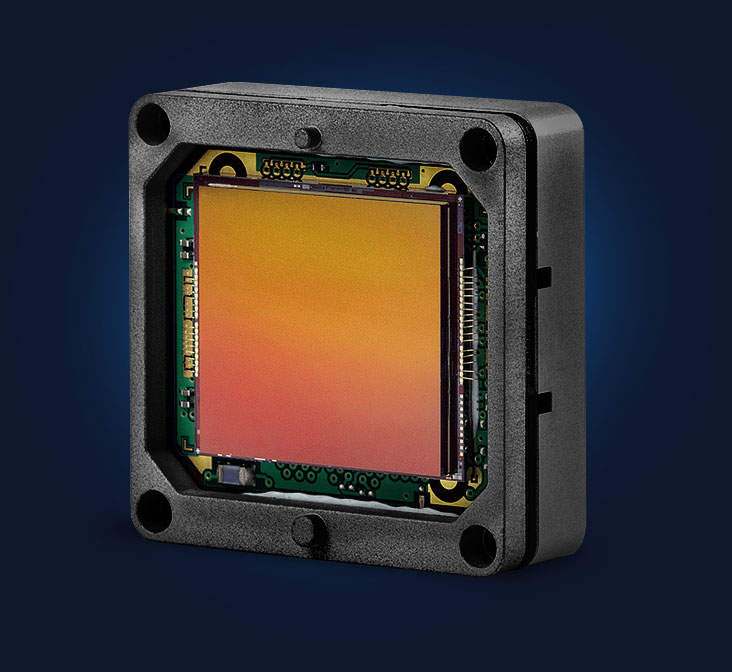
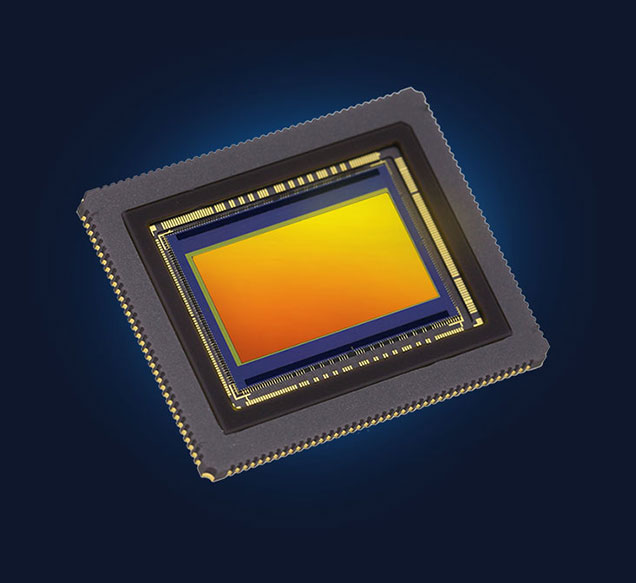
Infrared (IR) sensors are advanced detectors that measure the infrared (heat) radiation emitted by objects with high precision. As a core component of thermal cameras, these sensors operate effectively without visible light, enabling reliable imaging even in complete darkness, fog, or challenging environmental conditions. This capability provides significant advantages in many applications where traditional optical systems fall short.
IR sensors not only measure surface temperatures but also generate detailed thermal maps revealing temperature differences. This allows for rapid detection of overheating components in electronics, insulation faults, hidden heat leaks, and other potential issues.
Advantages of IR Sensors:
*Provide non-contact, fast, and precise temperature measurement.
*Operate effectively in dark, foggy, or challenging weather conditions without visible light.
*Easily detect soldering defects and overheating in electronic circuit boards.
*Accurately identify humans, vehicles, or other living beings based on heat signatures.
*Enable early diagnosis and preventive maintenance to improve energy efficiency and safety.
IR technology finds critical applications across a wide range of industries, from healthcare and automotive to industrial automation.