Medical Technologies
1- Microwave Tomography:
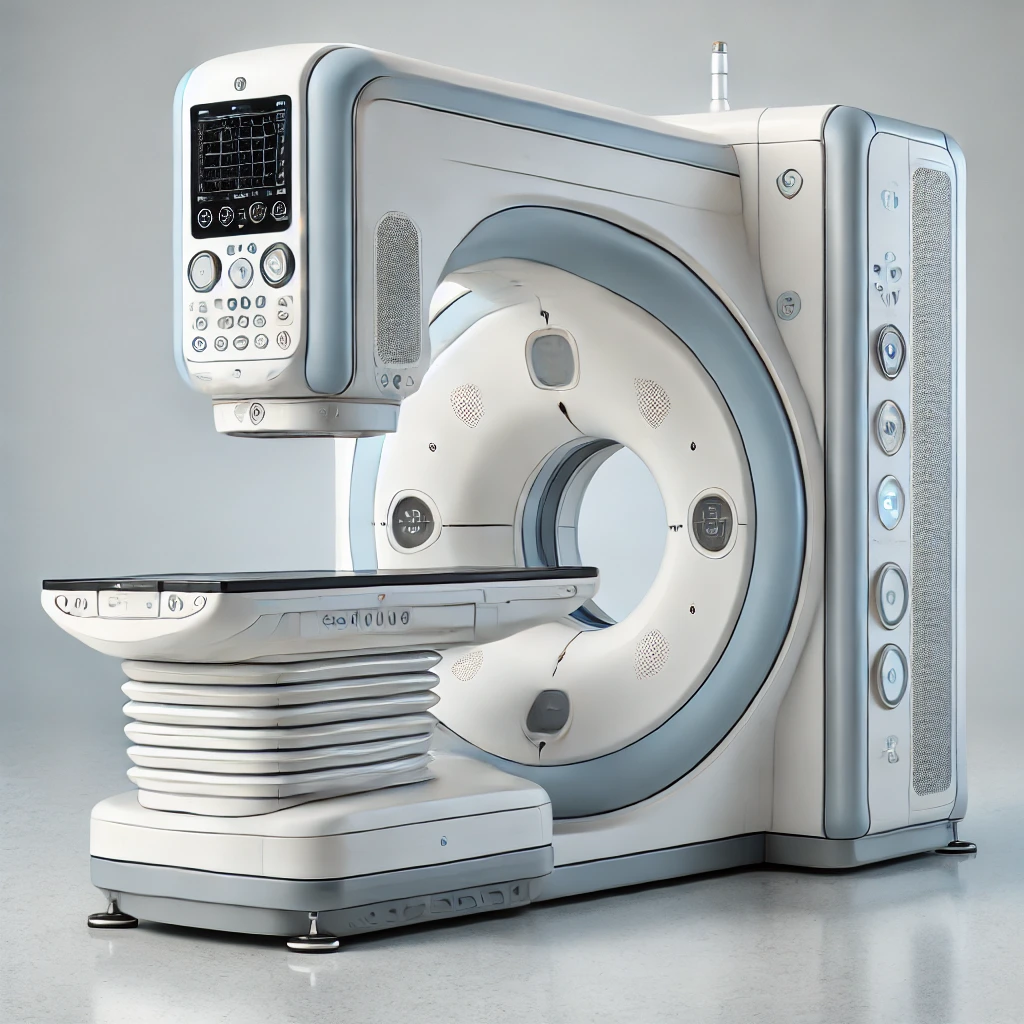
Microwave tomography is a medical imaging technique that creates 2D or 3D images by sending microwave signals through the body. These signals are transmitted by multiple antennas placed around the object and are affected by the tissues they pass through. Because microwaves are sensitive to the electrical properties of different tissues, this method can help detect structural changes inside the body. It has gained attention in recent years as a safe, radiation-free alternative for soft tissue imaging and cancer detection.
Applications
Breast Cancer Detection
Cancerous tissues usually have more water and higher conductivity, making them easier to detect with microwaves.
It offers a pain-free and radiation-free alternative to traditional mammography.
Brain Imaging
It helps to identify strokes, brain tumors, and bleeding.
Portable systems are being developed for fast diagnosis in emergency settings.
Lung Conditions
Can detect fluid buildup in the lungs, such as in pneumonia or pulmonary edema.
Other Soft Tissue Scans (Prostate, Thyroid, etc.)
Helps detect differences in small soft tissue structures.
2- Infrared (IR) Medical Imaging:
Infrared medical imaging (also known as thermography) is a technique that captures heat patterns from the surface of the body. It helps detect abnormal temperature changes that may signal health problems such as inflammation, poor blood circulation, or tumors.
Applications
Cancer Detection (especially breast cancer)
Tumors often have more blood flow and are warmer than nearby tissues. Thermography can detect these heat differences.
Circulatory Problems
Areas with poor blood flow tend to be cooler. Useful for conditions like diabetic foot and Raynaud’s disease.
Inflammation and Muscle/Joint Issues
Conditions like arthritis, tendonitis, or muscle injuries often show increased heat.
Nerve and Autonomic Disorders
Thermal imaging can support the diagnosis of issues such as Complex Regional Pain Syndrome (CRPS).
Fever and Infection Screening
Used for quick fever detection, especially during outbreaks like COVID-19.
Advantages of IR Medical Imaging:
1.Radiation-Free
Thermography is completely safe and uses no harmful radiation.
2.Non-Contact and Painless
The scan is performed without touching the patient, reducing any risk of infection or discomfort.
3.Instant Results
Images can be viewed and analyzed in real time.
4.Useful for Early Detection
Helps spot potential health issues before symptoms appear.
5.Affordable and Portable
IR cameras are compact and cost-effective, ideal for mobile health services.
6.Sensitive to Changes in Blood Flow
Detects variations in blood circulation and metabolic activity.
7.Great for Long-Term Monitoring
Suitable for tracking changes over time during treatment or recovery.